Trump Administration Pursues New Voluntary Drug Pricing Pacts

Vexoda Newsroom
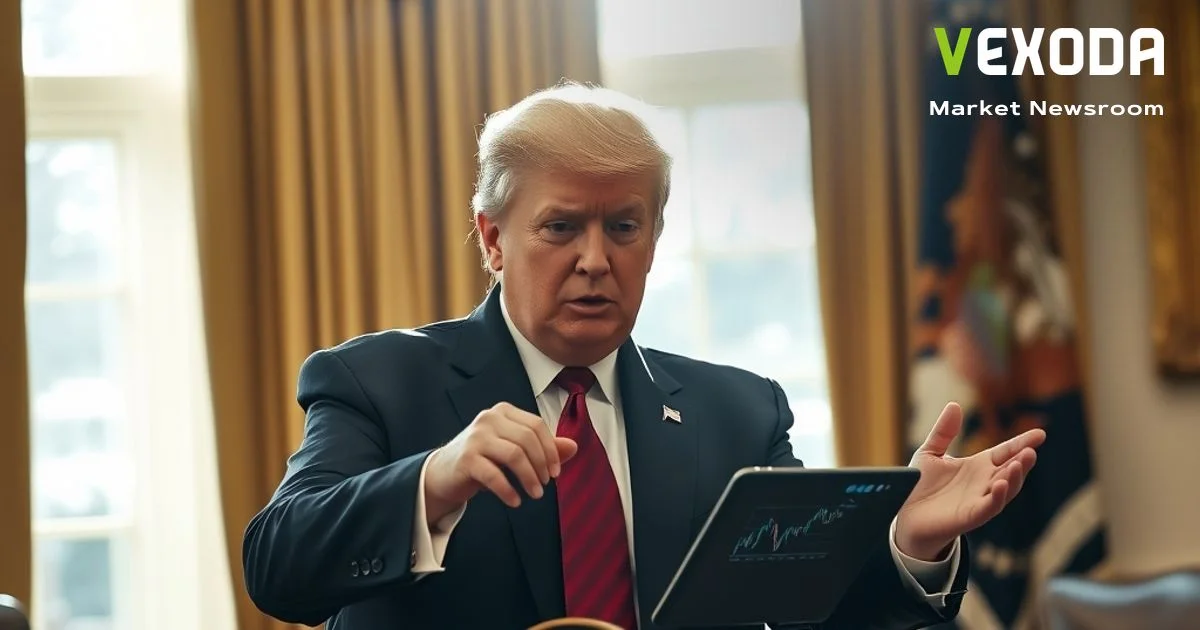
President Trump is set to reveal another voluntary drug pricing initiative, potentially linking prices for Medicaid patients to international benchmarks and offering direct cash-purchase options.
The Trump administration is reportedly preparing to unveil a new voluntary agreement aimed at lowering prescription drug costs. This initiative involves a coalition of pharmaceutical giants and mid-sized biotechnology firms, including notable names like Bayer, Takeda, and CSL. The core of the agreement focuses on establishing "most-favored-nation" (MFN) pricing for certain outpatient drugs administered through state Medicaid programs. This move signals a continued effort by the administration to intervene in the complex landscape of drug pricing.
Under the proposed "most-favored-nation" framework, the prices paid by U.S. state Medicaid programs for specific drugs would be benchmarked against the lower prices observed in other developed nations. Countries such as Canada, Germany, France, Japan, and the United Kingdom are cited as reference points for these international price comparisons. Furthermore, some manufacturers might explore offering selected medications directly to consumers who pay in cash via a program potentially named TrumpRx, thereby bypassing traditional insurance and pharmacy benefit manager channels.
This latest effort builds upon previous voluntary agreements forged by the administration with 17 other major pharmaceutical companies. These earlier pacts, which included industry leaders like Pfizer, Eli Lilly, and Johnson & Johnson, are estimated by the administration to generate substantial savings. The collective initiative is projected to potentially save federal and state Medicaid programs approximately $64.3 billion over a ten-year period, underscoring the scale of the administration's pricing reform ambitions.
The immediate beneficiaries of these voluntary agreements appear to be primarily state Medicaid programs and uninsured individuals purchasing medications directly with cash. While these measures aim to reduce costs for these specific groups, the article suggests that immediate price reductions for Medicare beneficiaries or those with private insurance are not guaranteed. The impact on earnings for participating drug companies in the near term is expected to be manageable, given that Medicaid constitutes a segment of the overall U.S. market and existing rebate structures are in place.
A significant incentive for the drugmakers participating in these voluntary pacts is the potential for regulatory relief and protection from pharmaceutical tariffs. Tariffs, by their nature, tend to increase the cost of imported goods, including certain pharmaceutical components or finished products. By offering concessions on pricing, manufacturers may secure assurances against these tariffs, thereby mitigating some of the financial impact of reduced drug prices and creating a more predictable cost environment.
The broader implications of this policy extend beyond immediate savings. Should the "most-favored-nation" pricing model eventually be broadened to encompass Medicare and private insurance markets, the potential for significant shifts in the pharmaceutical industry's earnings landscape would arise. Market participants will be closely monitoring the adoption rate of these voluntary agreements and any signals regarding their potential expansion to other insurance programs in the future.
Looking ahead, traders and market analysts will be focused on several key developments. The extent to which pharmaceutical companies voluntarily participate in the new agreement will be a crucial indicator. Additionally, any official pronouncements or legislative actions regarding the potential extension of MFN pricing to Medicare or private insurance will be closely watched. The administration's success in realizing the projected $64.3 billion in savings will also be a significant metric to evaluate the effectiveness of these pricing initiatives.
Source: InvestingLive. Summarized and rewritten by the Vexoda Newsroom. This is market news, not financial advice.