Ledger Confirms Hardware Implant in Reseller Devices, Suspected Losses Over $86M

Vexoda Newsroom
Ledger has confirmed that some hardware wallet devices sold through a specific Southeast Asian reseller contained unauthorized hardware implants. The incident is under investigation, with potential lo
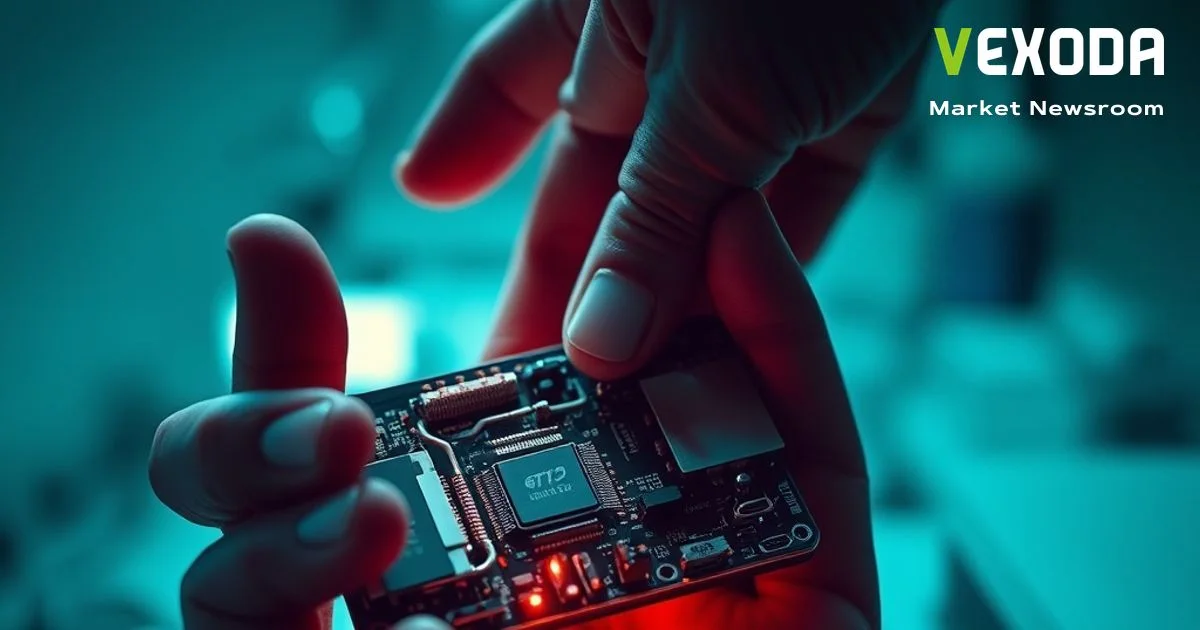
Hardware wallet manufacturer Ledger has publicly acknowledged that an unauthorized hardware implant was discovered within one of the devices sold through a particular reseller. This confirmation follows an ongoing investigation into reports of significant cryptocurrency losses experienced by users who acquired Ledger devices from this specific source. The company is actively working to identify the full scope of the issue and communicate with affected customers, emphasizing that the problem appears localized to a single distribution channel.
The key figures involved include Ledger, the hardware wallet provider, and the reseller, identified as CryptoBilis, which operated in Southeast Asia, covering markets like Indonesia, Malaysia, and the Philippines. Investigator firm Specter has estimated that the total losses incurred by affected users could surpass $86 million. The cryptocurrencies reportedly impacted include Bitcoin (BTC), Ethereum (ETH), and Tron (TRX), though the exact number of compromised customers has not yet been disclosed by Ledger.
This incident raises serious concerns about supply chain security within the cryptocurrency hardware wallet market. Hardware wallets are designed to store private keys offline, providing a high level of security against online threats. However, the presence of a hardware implant suggests a sophisticated attack vector that bypassed standard security protocols during the manufacturing or distribution phase before the device reached the end-user, highlighting vulnerabilities beyond typical software exploits.
In response to the confirmed implant, Ledger has advised users who purchased devices from the implicated reseller to avoid setting up their devices if they haven't already done so. For those who have already configured their devices, Ledger strongly recommends migrating their digital assets to a new, trusted Ledger signer and initiating a new seed phrase for added security. Reseller CryptoBilis has also taken precautionary measures by halting all hardware wallet sales until the investigation concludes.
The implications of this discovery are significant for both Ledger and the broader crypto community. It underscores the critical importance of verifying the authenticity and integrity of hardware devices, especially those handling sensitive private keys. For Ledger, this event poses a reputational challenge and necessitates a thorough review of its reseller vetting and supply chain oversight processes to prevent future occurrences and rebuild user trust.
Moving forward, traders and users of hardware wallets should remain vigilant. Key areas to monitor include further updates from Ledger regarding the investigation's progress, the total number of affected users, and the final loss figures. Additionally, observing how Ledger implements enhanced security measures and supply chain controls will be crucial for assessing the long-term impact on its product security and market standing. Attention should also be paid to how other hardware wallet providers address similar supply chain risks.
Source: Cointelegraph. Summarized and rewritten by the Vexoda Newsroom. This is market news, not financial advice.