Iran-Oman Shipping Lane Deal Signals Potential De-escalation

Vexoda Newsroom
Iran and Oman have agreed to a joint temporary shipping lane and mine-clearing project, raising hopes for reduced regional tensions and impacting oil markets.
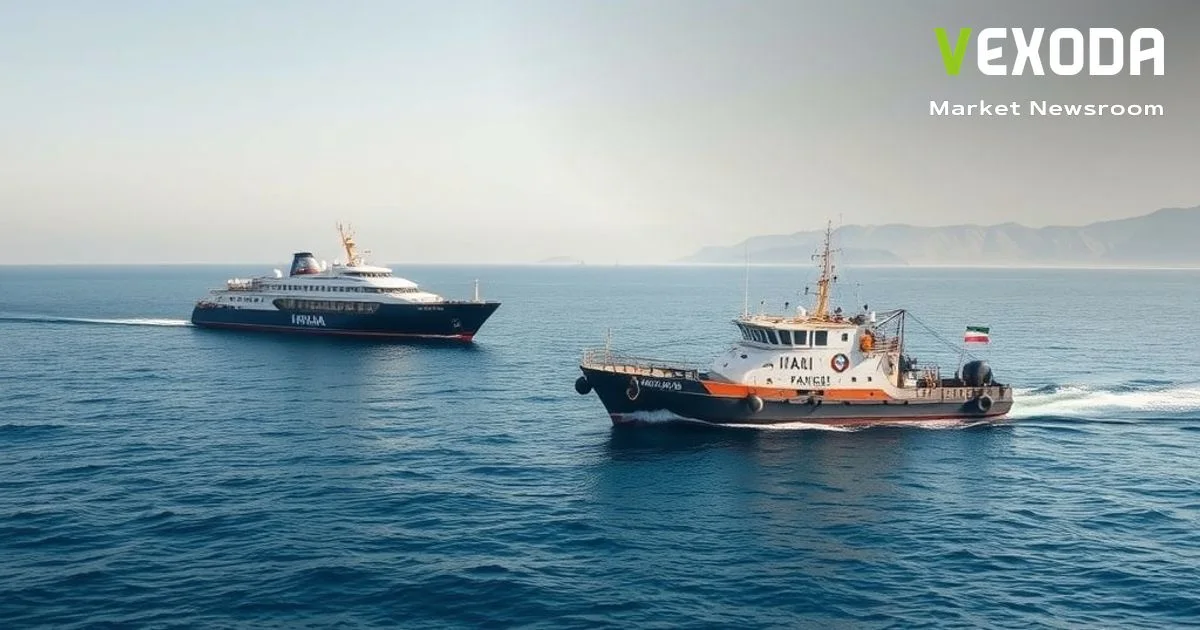
In a significant development for regional maritime security, Iran and Oman have formalized an agreement to establish a joint temporary shipping lane. This collaborative initiative aims to facilitate smoother and safer passage for vessels navigating the crucial waterways of the Persian Gulf and the Strait of Hormuz. The accord also includes a commitment to a joint project for clearing naval mines, directly addressing a persistent threat to international shipping in the area.
This agreement brings together two key regional players: Iran, a major oil producer with significant interests in the Strait of Hormuz, and Oman, whose coastline borders the strategic strait and provides a vital neutral viewpoint. The joint venture underscores a shared interest in maintaining freedom of navigation and reducing the risks associated with maritime traffic, particularly in light of recent escalations and heightened tensions.
The background to this development is rooted in the volatile geopolitical landscape of the Middle East, where the maritime routes, especially the Strait of Hormuz, are critical for global energy supplies. Concerns over potential mine threats and disruptions to shipping have previously weighed on oil prices. The agreement signals a move towards de-escalation and improved bilateral relations, potentially easing anxieties that have been building in the international community.
The oil market has shown sensitivity to news of potential diplomatic progress between Iran and other regional actors. In the preceding two days, crude oil prices experienced notable selling pressure, driven by speculation that a broader deal or significant de-escalation was imminent. The announcement of the Iran-Oman shipping lane and mine-clearing project, even if temporary, is likely to be interpreted as a positive step, potentially influencing supply-side risk premiums.
This development matters significantly as it could lead to a reduction in perceived geopolitical risk premiums embedded in oil prices. A more stable shipping environment in the Strait of Hormuz, through which a substantial portion of the world's oil supply passes, can contribute to greater price stability. Furthermore, improved Iran-Oman relations could foster broader regional dialogue and reduce the likelihood of military confrontations that could disrupt energy flows.
Traders and market participants will be closely monitoring the implementation of this joint shipping lane and mine-clearing project. Key factors to watch include the duration and scope of the temporary lane, the effectiveness of the mine-clearing operations, and any further diplomatic signals from Iran and its neighbors. Continued positive developments could further alleviate concerns, while any setbacks or renewed tensions could quickly reverse these trends.
Source: InvestingLive. Summarized and rewritten by the Vexoda Newsroom. This is market news, not financial advice.