UK Shop Prices Surge to Fastest Pace Since Early 2024 on Energy and AI Costs

Vexoda Newsroom
British shop price inflation reached its highest point since February 2024 in August, driven by rising energy expenses and the burgeoning AI chip demand impacting consumer electronics. This data compl
British retailers have seen their prices climb at the most significant rate in over two years, with August's figures marking a notable acceleration. This resurgence in shop price inflation is being fueled by a dual set of pressures: increased energy costs affecting a range of goods, and the burgeoning artificial intelligence sector driving up the price of essential electronic components. The situation suggests that inflationary forces are becoming more entrenched in the UK economy, moving beyond food prices to impact a wider array of consumer products.
The British Retail Consortium (BRC) reported that its shop price index registered an annual increase of 1.5% in August. This represents a substantial rise from the 0.9% recorded in July and marks the highest level seen since February of this year. The acceleration was evident across both food and non-food categories. Specifically, food price inflation climbed to 2.8% in August, up from 2.2% the previous month, while non-food inflation saw a more dramatic jump to 0.9%, significantly higher than July's 0.2% and also the strongest reading since early 2024.
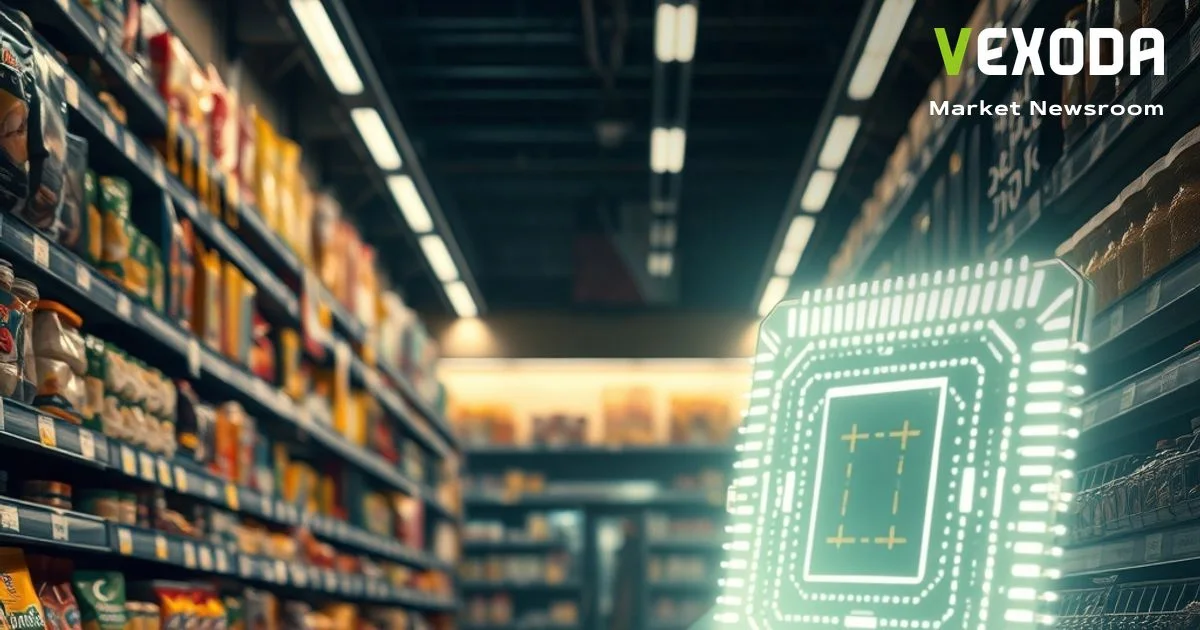
Helen Dickinson, Chief Executive of the BRC, highlighted that the pass-through of higher energy, input, and commodity costs is now visibly affecting shelf prices. This is particularly true for ambient food items, often imported, which are susceptible to global shipping and commodity price volatility. On the non-food side, a novel factor has emerged: the booming AI sector is creating intense demand for memory chips and storage components. This competition for semiconductor supply, also sought by data centres, is driving up costs for consumer electronics like laptops and smartphones.
This BRC data arrives as UK inflation, as measured by the Office for National Statistics (ONS) Consumer Price Index (CPI), also showed an uptick, reaching a four-month high of 2.9% in July. The Bank of England (BoE) has forecast that CPI inflation could peak at 3.2% in October and November, with food inflation potentially reaching 3.5% by December. The recent shop price figures, therefore, indicate that these projected peaks might be more persistent rather than temporary spikes, suggesting that the underlying inflationary pressures could be more structural.
The current inflation narrative for the UK appears to be increasingly shaped by supply-side factors, distinct from typical demand-driven price increases. The convergence of elevated energy costs and the AI-induced demand for chips presents a complex challenge for the Bank of England. These are pressures that monetary policy tools, which primarily target aggregate demand, can influence only indirectly, complicating the BoE's task of managing inflation while considering the appropriate pace for any future interest rate adjustments.
For sterling and UK interest rate markets, these inflation readings serve as a crucial reminder that the path to monetary easing for the BoE is fraught with supply-side complexities. This situation mirrors discussions happening at the U.S. Federal Reserve regarding similar cost pressures. Consequently, traders and investors will be closely monitoring upcoming releases, including future BRC and ONS data, for signs of persistent inflationary trends. Any continued escalation could lead to a repricing of gilt yields and a recalibration of expectations for the timing and extent of BoE rate cuts.
Looking ahead, market participants will be scrutinizing subsequent inflation reports for evidence of whether the current price acceleration is sustained or proves to be a short-term phenomenon. Key indicators to watch will include energy price trends, the ongoing evolution of semiconductor supply and demand dynamics related to AI, and the broad performance of the UK economy. The Bank of England's commentary and policy decisions will be heavily influenced by these incoming data points as they navigate the delicate balance between price stability and economic growth.
Source: InvestingLive. Summarized and rewritten by the Vexoda Newsroom. This is market news, not financial advice.