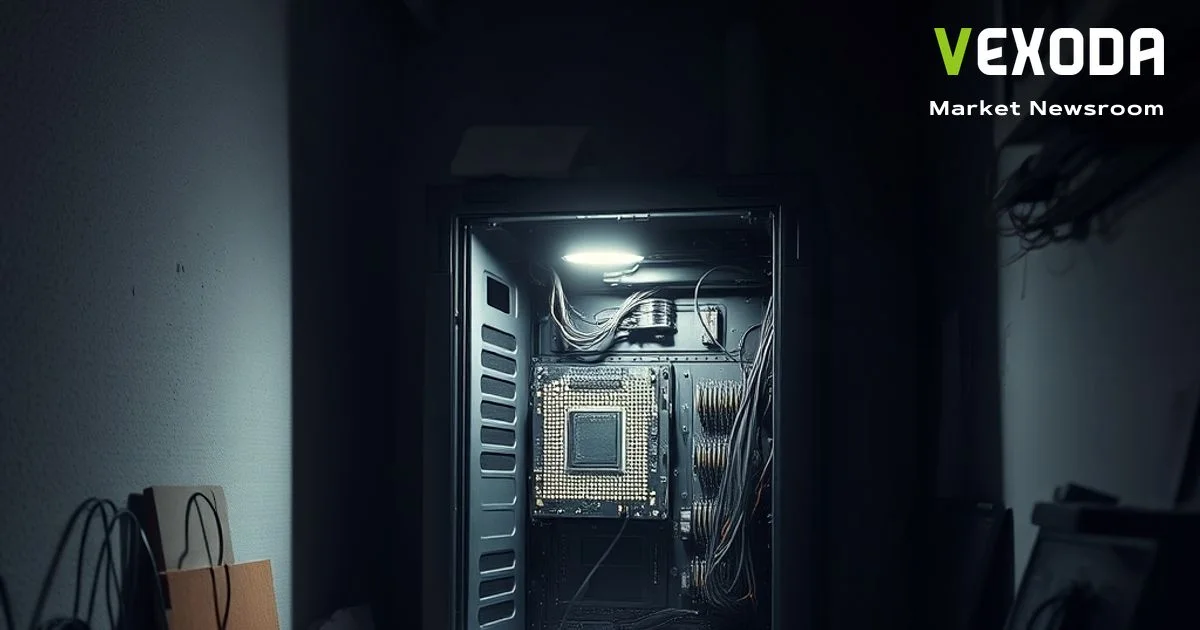
Fed Official: AI Chip Shortage to Persist, Potentially Fuelling Inflation

Vexoda Newsroom
New York Fed President John Williams indicated that the shortage of AI-related equipment could last over two years, potentially impacting inflation and interest rate decisions.
New York Federal Reserve President John Williams has articulated a perspective suggesting that the current scarcity of artificial intelligence (AI) related equipment, particularly advanced semiconductors, may extend for a significant duration. In a recent interview, Williams projected that it could take more than two years for the supply chain to adequately meet the escalating demand for these critical components. This prolonged imbalance, he noted, could exert upward pressure on prices, contributing to inflationary concerns within the broader economy.
The key figures in this scenario include President Williams, representing a significant voice within the U.S. central bank, and the rapidly growing AI sector. The specific numbers pertain to the projected timeline of over two years for supply chain normalization and the potential for continued interest rate hikes by the Federal Reserve. The underlying issue is the intense demand for specialized chips and associated hardware required to power the burgeoning AI infrastructure, a demand that has outstripped current manufacturing capabilities.
This situation unfolds against a backdrop of persistent inflation worries and the Federal Reserve's ongoing efforts to manage the economy. The rapid advancements and widespread adoption of AI technologies have created an unprecedented surge in demand for computing power. This demand is directly impacting the production and availability of high-end processors and related components, leading to bottlenecks that extend beyond the typical tech supply chain cycles. Understanding this dynamic is crucial for assessing future economic trends.
Williams’ comments on the AI supply constraints came as he reiterated his stance on U.S. monetary policy, suggesting that at least one more interest rate increase might be necessary this year to curb inflation. He expressed that while the AI investment boom appears relatively insensitive to interest rates due to its perceived transformative potential and expected productivity gains, the underlying supply shortages could complicate the Fed's inflation-fighting efforts. The market's reaction to these statements will be closely monitored for shifts in sentiment regarding inflation and interest rate trajectories.
The implications of a protracted AI equipment shortage are multifaceted. For the broader economy, it means sustained inflationary pressures, potentially necessitating tighter monetary policy from the Federal Reserve for a longer period. For the cryptocurrency sector, particularly Bitcoin miners venturing into AI-related ventures, this could translate into increased competition for essential hardware, higher operational costs, and potentially a more challenging financing environment as capital becomes scarcer and more selectively allocated.
Looking ahead, traders and market participants should closely observe several key indicators. Continued statements from Federal Reserve officials regarding inflation and interest rate policy will be paramount. Additionally, monitoring the actual lead times and production ramp-ups for AI chips and related infrastructure will provide concrete data on when supply might catch up with demand. Observing how mining companies and AI-focused firms adjust their strategies in response to these supply chain dynamics will also be critical for understanding market direction.
Source: Cointelegraph. Summarized and rewritten by the Vexoda Newsroom. This is market news, not financial advice.